
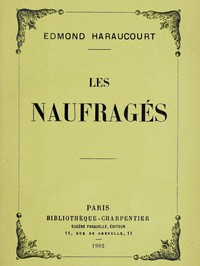
Les naufragés by Edmond Haraucourt
If you think shows like *The Leftovers* or even *The Truman Show* invented the idea of a man realizing his life has become a gigantic lie, you’re in for a treat with *Les naufragés*. Edmond Haraucourt wrote this thing way back in the 1890s, but man alive—it still feels fresh, smart, and painfully funny.
The Story
Our main guy, Adolphe Dornance, is wealthy, witty, and just plain bored. Living in late 19th-century Paris, he pulls off an audacious prank: he fakes his own death at sea. He makes everyone—including his wife—believe he’s sunk with his yacht off the coast of Norway. The plan? Hang out in exile for a few months, then reveal his so-called naufrage (shipwreck) as a joke.
Only, life for the survivors moves forward faster than Adolphe expects. His wife, sad but practical, begins showing interest in another man. His friends arrange his funeral. And all of a sudden, Adolphe is trapped by his own trick. He’s not dead physically, but he’s legally gone. Cue panic: what if nobody even wants him back?
The book pulls off its twisty moment—this isn’t just a farce; it's a dark, sharp mirror held up to society’s relationship with truth, reputation, and the way we miss people most when they’re probably not coming back. It also traces how a comic hoax slowly morphs into personal tragedy.
Why You Should Read It
Haraucourt writes with a slightly cynical but affectionate gaze at human cluelessness. You’ll snort coffee through your nose at some of the set-pieces (there's tense business around graves, fake telegrams, and sneaky meetings). That said, the deeper strain of loneliness sticks with you.
I recommend this because of the one theme few authors dare: what do people owe their past? Adolphe freely remakes himself mentally, but society acts so slow. A lot of us have felt invisible at some point—this story masterfully explains wanting escape, but you start to tremble once you’re left out. Observational humor aside, there's something bittersweet in how wholeheartedly family stays behind at your burial knowing you inside vanished that still unsettles readers today. Realer than perhaps its era expects.
The translation flows fine for modern readers (older flavor but easy logic) and you rarely trip over any unnecessary description — the prose moves at a cracking conversational pace. Enough characterization saves it from being a single sneer—the w inns feel earned discomfort.
Final Verdict
Perfect for readers who love Victorian satire like Peer Gynt swapped with farcical rom-com scenes; just cynical enough to sting but soulful enough of surprise make you care.
Probably amazing for folks into psychological “slow burn disambiguations,” plus budding analysis types tracking cultural shifts cause almost no fiction danged perfectly blend “disappearing on your own terms” with its cost so well. Older ones wanting fresh feel will embrace pop conversations using tight focus on wish-fulfillment going over.
The copyright for this book has expired, making it public property. You do not need permission to reproduce this work.
Susan Davis
9 months agoVery satisfied with the depth of this material.
John Johnson
1 year agoThe clarity of the introduction set high expectations, and the insights into future trends are particularly thought-provoking. A solid investment for anyone's personal development.
Patricia Rodriguez
11 months agoI found the author's tone to be very professional yet accessible, the step-by-step breakdown of the methodology is extremely helpful for students. It cleared up a lot of the confusion I had previously.
Linda Thompson
11 months agoThe methodology used in this work is academically sound.






David Rodriguez
6 months agoThe author provides a very nuanced critique of current methodologies.