
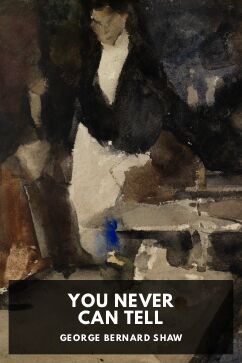
You Never Can Tell - George Bernard Shaw
George Bernard Shaw's You Never Can Tell is a comedy that feels surprisingly fresh, even today. It follows the Clandon family: Mrs. Lanfrey Clandon, a writer who champions progressive ideas, and her three grown children—Gloria, Dolly, and Philip. They've been living abroad and return to a seaside resort in England, blissfully unaware that their past is about to walk in the door.
The Story
The trouble starts with a toothache. Gloria visits the local dentist, a cheerful and poor young man named Valentine. They have an instant, sparky connection. Meanwhile, her mischievous twin siblings, Dolly and Philip, befriend a grumpy, older lawyer named Fergus Crampton at their hotel. Through a series of perfectly awkward revelations, it turns out Crampton is the husband Mrs. Clandon walked out on nearly twenty years prior. He's also, to everyone's shock, Valentine's landlord. Suddenly, a potential love story gets tangled up with a long-buried family drama. The play becomes a brilliant series of conversations—part drawing-room comedy, part philosophical debate—as parents, children, and suitors try to figure out if they can be a family again, or if some breaks are just too deep to mend.
Why You Should Read It
Don't let the "old play" label fool you. Shaw's genius is in the talk. The characters don't just chat; they duel with words. Gloria and Valentine's romance is a battle of wits about modern love versus old-fashioned ideals. The twins provide laugh-out-loud commentary on the adults' serious mess. What really grabbed me was how Shaw pits the new world (the free-thinking Clandons) against the old (the rigid, wounded Crampton) and doesn't let either side win easily. He shows that progress can be clumsy and tradition can have its pains. It's funny, yes, but the humor has a sharp edge that makes you consider your own family ties.
Final Verdict
This is a perfect pick for anyone who loves clever dialogue and stories about family secrets. If you enjoy the witty banter of Jane Austen but wish it had a bit more bite and social commentary, Shaw is your guy. It's also a great, accessible entry point into classic plays because the situation—kids dealing with their parents' baggage—is so timeless. You'll come for the comedy of errors, but you'll stay for the surprisingly moving question at its heart: can people really change?
This book is widely considered to be in the public domain. You can copy, modify, and distribute it freely.
Richard Anderson
3 months agoExtremely helpful for my current research project.
Richard Thompson
9 months agoAfter spending a few days with this digital edition, the step-by-step breakdown of the methodology is extremely helpful for students. This is a solid reference for both beginners and experts.
Jennifer Jackson
10 months agoIt took me a while to process the complex ideas here, but the logic behind each conclusion is easy to follow and verify. The price-to-value ratio here is simply unbeatable.
Michael Johnson
10 months agoThe layout of the digital version made it easy to start immediately, the evidence-based approach makes it a very credible source of information. It’s a comprehensive resource that doesn't feel bloated.








Elizabeth Taylor
6 months agoI took detailed notes while reading through the chapters and it manages to maintain a consistent flow even when discussing difficult topics. Top-tier content that deserves more recognition.